
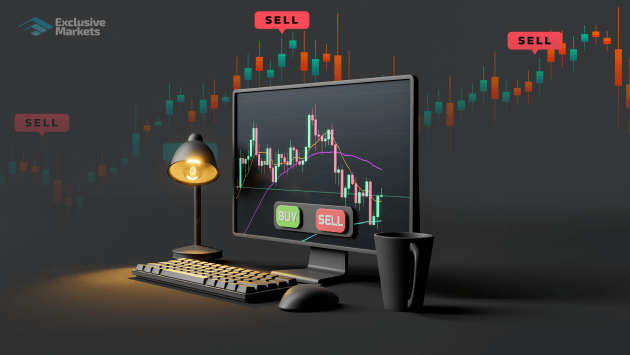
Automated forex trading has become a significant force in the world of currency exchange. It refers to the use of computer systems and algorithms to enter and exit trades in the forex market. This approach enables traders to execute trades at optimum prices without the emotional and psychological burdens that often accompany trading decisions. Such technology assists traders in capitalizing on market fluctuations more efficiently and effectively. If you’re considering entering the world of automated forex trading, it’s essential to explore the available options, including automated forex trading Turkey Brokers, to leverage the right tools. This article delves deeper into the mechanics, strategies, and implications of automated trading in the forex market.
Understanding Automated Forex Trading
Automated forex trading involves implementing trading strategies through algorithmic systems or trading software. Some of the popular systems include Expert Advisors in MetaTrader, NinjaTrader, and TradeStation. These systems can analyze market trends, historical price data, and integrate AI to predict future movements. This technology empowers traders—both novices and professionals—to optimize their trading strategies.
The rise of automated trading has transformed forex trading from a primarily human-centered operation into a highly technical and algorithm-driven industry. This evolution has led to increased market efficiency but has also introduced new risks and challenges that traders must understand.
Benefits of Automated Forex Trading
Automated forex trading offers a multitude of benefits for traders seeking to enhance their performance:
- Emotionless Trading: Automated systems operate based on predefined rules and algorithms, thus eliminating emotions that can cloud judgment during trading decisions.
- Speed and Efficiency: Algorithms can analyze vast amounts of data and execute trades in a fraction of a second, which can lead to better trade entries and exits than a manual trader might achieve.
- Backtesting Capabilities: Traders can backtest their algorithms on historical data to assess their potential effectiveness before deploying them in real-time markets.
- Diversification: Automated trading allows traders to manage multiple accounts or strategies simultaneously, diversifying their portfolio and reducing risks.
- 24/7 Trading: Automated systems can operate around the clock without the need for human intervention, allowing traders to capitalize on global forex market movements across different time zones.
Challenges in Automated Forex Trading
While the benefits are numerous, automated forex trading is not without its challenges and risks:
- Technical Issues: Dependence on technology means that any malfunction, from a simple error in programming to a server failure, can lead to significant losses.
- Over-Optimization: Traders may be tempted to optimize their algorithms too much, making them less adaptable to changing market conditions.
- Lack of Flexibility: Automated systems can execute predefined strategies exceedingly well but may struggle to adapt quickly to unforeseen market events.
- Market Changes: What worked in the past may not work in the future; as market conditions evolve, algorithms must be adjusted accordingly.
Strategies for Automated Forex Trading
For automated forex trading to flourish, traders must develop effective strategies that fuel the algorithms. Here are a few popular strategies:
- Trend Following: This strategy involves algorithms recognizing and following established market trends. By entering trades in the direction of the trend, traders can maximize profitability.
- Mean Reversion: This approach is based on the idea that prices will revert to their mean over time. Algorithms can identify ‘overbought’ or ‘oversold’ conditions to capitalize on price corrections.
- Arbitrage: This involves taking advantage of price discrepancies between different forex brokers or markets. Automated systems can quickly exploit these differences for profit.
Getting Started with Automated Forex Trading
For individuals interested in exploring automated forex trading, here’s a step-by-step guide:
- Research and Education: Understanding the basics of forex trading and automated systems is crucial. Consider taking online courses or reading books on the subject.
- Choose a Trading Platform: Select a trading platform that supports automated trading. MetaTrader 4/5 and TradingView are popular choices.
- Select or Write an Algorithm: You can either create your own trading algorithm or select from existing ones. Ensure your choice aligns with your trading strategy and risk tolerance.
- Backtest the Algorithm: Before executing your trades in a live environment, use historical data to backtest the algorithm to assess its potential performance.
- Start with a Demo Account: Many platforms offer demo accounts where you can practice trading without financial risk.
- Monitor Performance: Regularly review the performance of your automated trading. Make adjustments as necessary based on market conditions and algorithm performance.
Conclusion
Automated forex trading represents a significant paradigm shift in how currencies are traded globally. With technology at the helm, traders can capitalize on market opportunities that were previously difficult to manage. While there are risks and challenges associated with automated systems, the potential rewards can be substantial. By equipping themselves with knowledge and the right tools, traders can navigate this evolving landscape effectively. As always, it’s crucial for traders to do their due diligence, which may include seeking advice from experienced players or utilizing resources provided by Turkey Brokers to make informed decisions. In the ever-changing world of forex, change is the only constant, and automated trading is becoming an indispensable tool in the trader’s arsenal.